Amazon Turns Warehouse Work Into Video Game: A Look Inside the Innovative System
Amazon is turning routine picking and packing into an immersive digital challenge, using a custom video‑game framework to boost employee engagement and accuracy. The new approach, unveiled in early 2024, maps each warehouse task to a “level” and rewards workers with real‑time feedback, scores, and leaderboards. By blending game mechanics with logistics, Amazon aims to reduce errors, speed up throughput, and keep staff motivated in high‑pressure environments.
Why Gamify the Warehouse?
Warehouse teams often face repetitive motions, tight deadlines, and high error rates. Traditional training and incentive models have plateaued in their ability to maintain focus over long shifts. Gamification offers a way to inject variety, instant gratification, and clear progression into everyday tasks. Employees can see how each pick contributes to a larger score, turning mundane chores into a collaborative pursuit of personal and team goals.
How Does the System Work?
Mapping Tasks to Levels
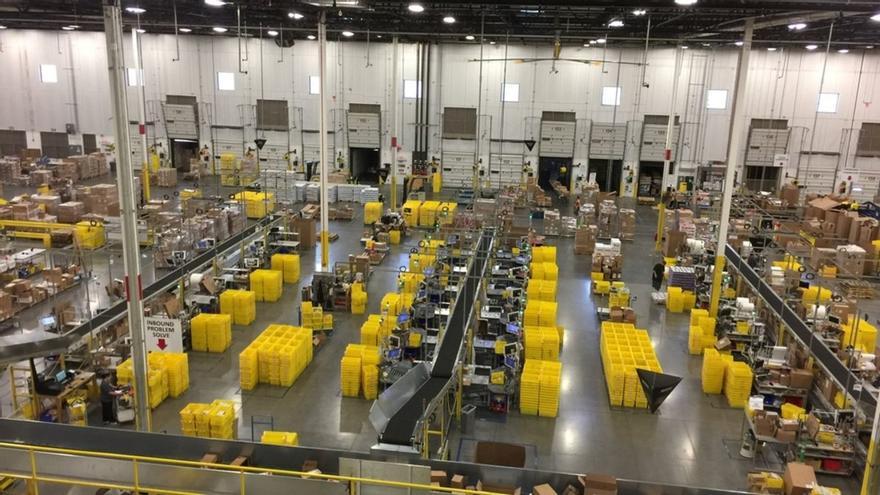
Every item in the fulfillment center is assigned a difficulty rating based on weight, size, and picking frequency. When a worker logs on, the system generates a “level” that includes a set of items to be sorted, a time limit, and a target score. The interface displays a stylized map of the aisle, allowing employees to navigate like a game character.
Real‑Time Feedback and Rewards
As items are scanned, the system updates the worker’s progress bar, providing instant visual feedback. Points are awarded for speed, accuracy, and consistency. At the end of each shift, top performers receive badges that can be redeemed for gift cards, additional break time, or other perks. The leaderboard encourages friendly competition while keeping focus on accuracy.
Data‑Driven Optimization
Every interaction is logged, producing granular data on picking patterns and bottlenecks. Managers can identify training gaps, adjust inventory placement, or re‑engineer workflows based on real‑world performance metrics collected through the game. The system also flags items that frequently trigger errors, enabling targeted quality improvement.
What Workers Are Saying
Early adopters report a noticeable shift in attitude. “The leaderboard keeps me on my toes,” says one fulfillment associate. “I actually look forward to finishing each level because it feels like a challenge rather than just a task.” While some employees are skeptical about the novelty wearing off, preliminary surveys indicate a 12% drop in error rates and a 9% increase in items processed per hour compared to pre‑implementation metrics.
Potential Drawbacks and Mitigation
Overemphasis on Speed
There is a risk that workers might prioritize points over accuracy. To counter this, the scoring algorithm penalizes missed or mis‑scanned items heavily, ensuring that speed does not eclipse quality. Managers can also set “quality checkpoints” where a task must be verified before earning points.
Technology Adoption Curve
Some staff struggle with the interface, especially those less familiar with digital tools. Amazon has rolled out targeted training sessions and a help desk to support smooth onboarding. Additionally, the system’s UI is intentionally simple, using familiar icons and a minimal color palette to reduce cognitive load.
Broader Implications for the Industry
Amazon’s experiment may signal a shift toward gamified logistics across e‑commerce and manufacturing. If the approach proves scalable, it could reduce turnover, lower training costs, and improve overall supply‑chain resilience. Competitors such as Walmart, Target, and DHL are reportedly exploring similar pilots, hinting at a new standard for workforce engagement.
What’s Next?
Amazon plans to integrate machine‑learning models to predict peak demand periods and automatically adjust game difficulty. By aligning game parameters with real‑time inventory levels, the company hopes to create a self‑optimizing environment where worker incentives directly correlate with business outcomes. The next phase will test the system in international facilities, where language and cultural differences pose unique challenges.
As the world of retail fulfillment evolves, the fusion of play and productivity could become a cornerstone of operational strategy. Only time will reveal whether gamification can sustainably transform the warehouse experience and deliver lasting benefits for both employees and the bottom line.