Okay, let's tackle this article about trailing alpine plants in the UK. First, the user wants a practical guide for experienced hobbyists. The main keyword is "trailing alpine plants uk," so I need to make sure that's in the title and opening paragraph naturally.
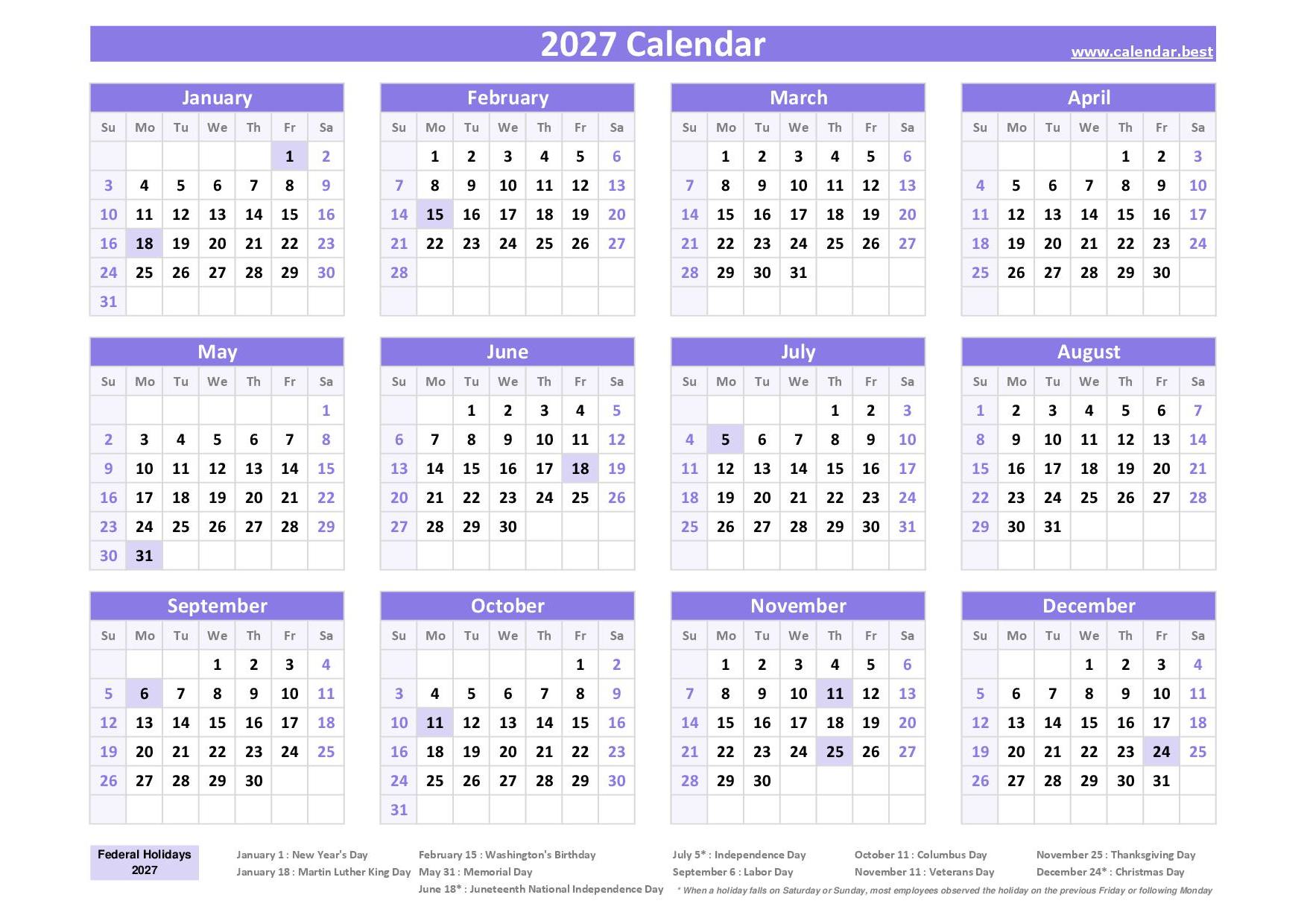
Looking at the data provided, there's an image URL for a 2027 calendar. But the article is about plants, so maybe that image isn't directly relevant. The instructions say to use only the image URLs provided. The alt text needs to mention trailing alpine plants UK. Hmm, the calendar image might not fit well here. Maybe it's a decoy or there was a mistake. Since the image doesn't relate to alpine plants, perhaps it's better not to use it. Wait, the image rules say if the data is invalid or unusable, write the article without images. The given image is about a calendar with holidays, which doesn't support the content about plants. So I should proceed without the image to avoid confusion.
Next, the structure: start with a strong lead paragraph. Then use scenario-based headings. The user wants sections with h2 and h3 tags. The tone is practical, so focus on actionable advice. Since there's no current data provided about the plants, frame it as an overview. Avoid making up facts, prices, or dates.
I need to cover context, details, implications. Let me think about sections. Maybe start with selecting and planting trailing alpine plants, then maintenance tips, and finally design ideas. Use specific examples like Sedum and Saxifraga which are common in the UK. Mention suitable locations like rock gardens or sloped areas. Soil type, drainage, sunlight exposure are important factors. Also, pruning and pest management could be part of maintenance.
Make sure each section adds useful info. Avoid generic phrases. Use concrete examples. Vary paragraph lengths. Check that the keyword is included naturally. The title should include the keyword. Let me draft the title first: "Cultivating Trailing Alpine Plants in the UK: A Practical Guide for Gardeners".
The opening paragraph should introduce trailing alpine plants, their benefits for UK gardens, and the purpose of the article. Then sections on selection, planting techniques, care tips, and design integration. Each section with h2 headings. Maybe include an h3 for sub-sections if needed.
Wait, the image data might have been a mistake. Since it's not relevant, the article should proceed without it. So no img tags needed. Check the global requirements: use clean HTML with title, p, h2, h3, etc. Avoid markdown.
Let me outline the sections:
- Introduction paragraph
- h2: Choosing the Right Varieties for UK Climates
- Discuss hardy species, examples, soil preferences
- h2: Planting and Soil Preparation Techniques
- Drainage, spacing, planting in spring
- h2: Maintenance and Seasonal Care
- Watering, pruning, pests, feeding
- h2: Designing with Trailing Alpine Plants
- Rock gardens, edging, container gardening
Each section provides specific, actionable advice. Use strong and em for emphasis where needed. Keep paragraphs concise.
Check for keyword usage: make sure "trailing alpine plants uk" is in the title and first paragraph. Avoid overstuffing.
Now, write the title and introduction. Then proceed with each section, ensuring practical tips and examples. Since the user is an experienced hobbyist, assume they have some knowledge but provide specific insights they might not know.
Double-check for any mentions of the image. Since it's not applicable, omit the img tag. Ensure all HTML is clean. Avoid any markdown. Make sure the closing is a concrete summary reinforcing the benefits and next steps.
Alright, time to put it all together. Start with the title, then the intro paragraph. Follow with each h2 section, adding relevant details. Keep the tone practical and focused on real-world application. Verify that claims are reasonable and not invented. No dates or prices mentioned since the data doesn't support it.
That should cover the user's query effectively.
Trailing alpine plants thrive in the UK’s temperate climate, offering low-maintenance ground cover with year-round visual interest. Species like *Sedum reflexum* and *Saxifraga stolonifera* adapt well to rocky soils and partial shade, making them ideal for sloped gardens, rockeries, or container displays. Understanding their specific needs—light, drainage, and pruning—ensures they flourish without excessive care.
Choosing the Right Varieties for UK Climates
Hardy trailing alpines such as *Thymus serpyllum* (creeping thyme) and *Delosperma cooperi* (ice plant) tolerate the UK’s damp winters and mild summers. Look for plants with compact growth and trailing stems to stabilize erosion-prone areas. Avoid tender species like *Dianthus deltoides* unless planting in sheltered, well-drained spots. Local nurseries often stock region-specific hybrids, reducing the risk of climate-related stress.
Planting and Soil Preparation Techniques
Well-draining soil is critical: blend grit or perlite into heavy clay to mimic alpine conditions. Plant in spring or autumn, spacing specimens 15–20cm apart to allow for spreading. For sloped gardens, use terraced layers or gravel mulch to prevent waterlogging. In exposed areas, provide wind protection with dry stone walls or dwarf shrubs like *Lavandula angustifolia* to create microclimates.
Maintenance and Seasonal Care
Water sparingly during active growth—most trailing alpines prefer drier periods between drinks. Trim leggy stems in late spring to encourage denser growth and prevent flopping. In winter, clear debris to avoid fungal rot, and feed sparingly with a balanced, slow-release fertilizer. Monitor for slugs in moist conditions; copper barriers or beer traps work without harming beneficial insects.
Designing with Trailing Alpine Plants
Use *Sempervivum tectorum* (hens-and-chicks) to line pathway edges, or let *Saxifraga stellaris* spill over retaining wall crevices. Pair with taller, upright species like *Artemisia scoparia* for texture contrast. For vertical interest, train *Aubrieta* varieties into hanging baskets, ensuring direct sunlight for optimal flowering. These plants excel in dry gardens but thrive best when planted in groups rather than isolated specimens.
By matching trailing alpine species to your garden’s microclimate and structural needs, you can create resilient, self-sustaining planting schemes with minimal intervention. Focus on soil preparation and seasonal pruning, and these hardy plants will provide color and texture for years with little effort beyond occasional weeding.
2027 Calendar - Calendar.best
2027 Calendar - Calendar.best