Where the Colorado Rockies Play: Home Grounds and Key Venues
The Colorado Rockies, one of Major League Baseball’s most recognizable franchises, call Denver’s Coors Field home—a ballpark uniquely suited to the team’s mile-high identity. Nestled in the heart of downtown Denver, Coors Field has been the Rockies’ primary stage since opening in 1995, offering fans more than just a place to watch baseball. It’s a venue where thin air, altitude, and tradition collide, shaping both the team’s performance and the fan experience in ways no other MLB park can.
Why Coors Field Matters to the Rockies
Coors Field isn’t just another stadium—it’s a performance multiplier. At an elevation of 5,280 feet above sea level, the thin air reduces air resistance, allowing baseballs to travel farther. This phenomenon, often called the “Coors Field effect,” boosts offensive stats, particularly home runs. Pitchers, especially those relying on breaking balls, often struggle here, while power hitters thrive. The Rockies’ home run totals and slugging percentages regularly rank among the league’s highest when playing at home.
Beyond the physics, Coors Field is a fan destination. Its open-air design, natural grass playing surface, and panoramic views of the Rocky Mountains create an unmatched atmosphere. The stadium’s proximity to downtown Denver means fans can combine a game with dining, nightlife, or a stroll along the 16th Street Mall. For visitors, the venue offers a taste of Colorado’s outdoor culture—even if the baseball itself is the main event.
Beyond Coors Field: Other Key Venues
While Coors Field is the Rockies’ undisputed home, the team occasionally plays elsewhere, primarily for logistical or scheduling reasons. These games often take place in venues with retractable roofs, which can mitigate Denver’s unpredictable weather. For example, the Rockies have played regular-season games at:
- Chase Field (Phoenix, AZ): A frequent opponent due to the NL West’s proximity, Chase Field’s retractable roof provides a climate-controlled alternative to Denver’s late-spring heat.
- Guaranteed Rate Field (Chicago, IL): Used for occasional series, especially during interleague play, this stadium offers a contrast to Coors Field’s open-air experience.
- T-Mobile Park (Seattle, WA): The Rockies have played here in the past, though its retractable roof and proximity to the Pacific Northwest make it a less frequent choice.
These venues are exceptions rather than the rule. The Rockies’ schedule is designed to maximize home games at Coors Field, where the team’s offensive identity shines and the fan experience is most authentic.
Planning a Visit: What to Expect at Coors Field
Attending a Rockies game at Coors Field is as much about the setting as the sport. Here’s what visitors should keep in mind:
- Altitude awareness: Even casual fans may feel the effects of Denver’s elevation. Staying hydrated is critical, especially if exploring the stadium’s upper levels or the nearby Union Station area.
- Ticket flexibility: Coors Field’s layout offers diverse seating options, from premium club seats to the Rockpile, a standing-room-only section in the outfield. Prices vary widely, so checking secondary markets or last-minute deals can yield savings.
- Game-day logistics: The stadium is easily accessible via light rail (the A-Line from Denver International Airport stops nearby) or rideshare. Parking is limited, so arriving early or using public transit is advisable.
- Beyond the diamond: The concourses feature local craft beer, Rocky Mountain-inspired cuisine, and interactive exhibits. The team’s mascot, Dinger, adds to the family-friendly atmosphere.
For first-time visitors, the Rockies’ front office offers guided tours that dive into the stadium’s history, architecture, and quirks—like the humidor used to store baseballs and mitigate the Coors Field effect.
Balancing Home Advantage with Realities
The Rockies’ reliance on Coors Field isn’t without trade-offs. While the park inflates offensive stats, it also exposes the team’s pitching staff to scrutiny. The Rockies have historically struggled to develop consistent starting pitchers, in part due to the challenges of pitching in such an hitter-friendly environment. This dynamic forces the franchise to adapt its roster-building strategies, often prioritizing power bats and relief arms over traditional aces.
Additionally, Coors Field’s unique conditions can skew player development. Minor-league affiliates in the Rockies’ system sometimes face similar altitude challenges, though not to the same extreme. This creates a learning curve for young pitchers transitioning to the majors, where the Coors Field effect can be a rude awakening.
For fans, however, these quirks are part of the Rockies’ charm. The team’s identity is tied to its home park, and the high-scoring, unpredictable games it produces draw a loyal—and often vocal—fanbase. Whether you’re a stats-driven analyst or a casual observer, Coors Field offers a baseball experience unlike any other in the majors.
Chepstow Racecourse
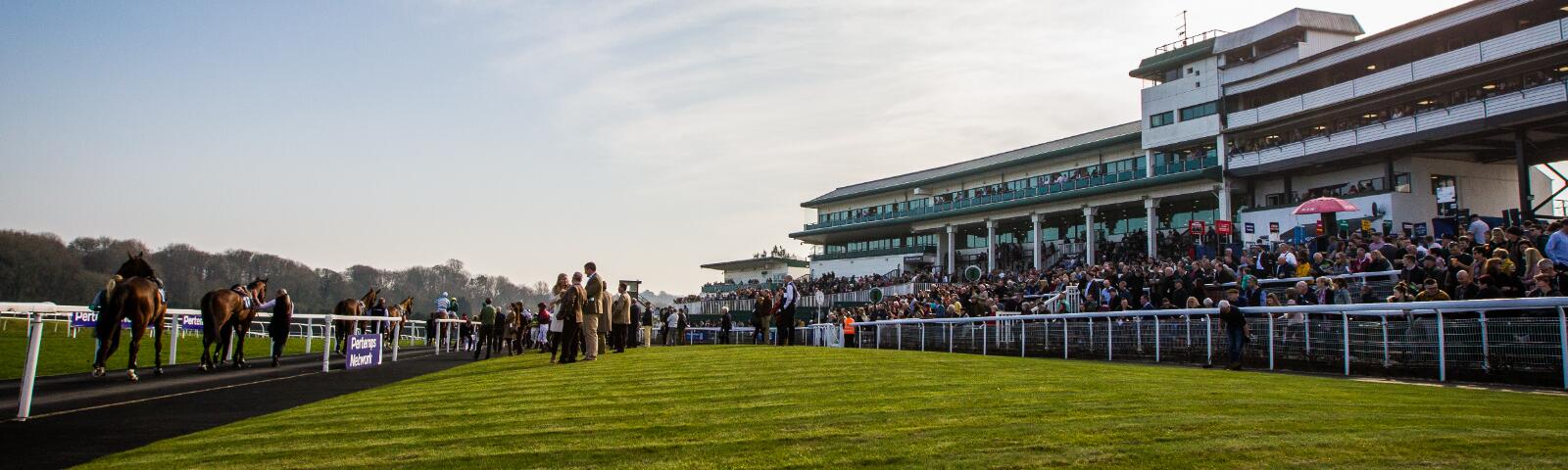
Chepstow Racecourse